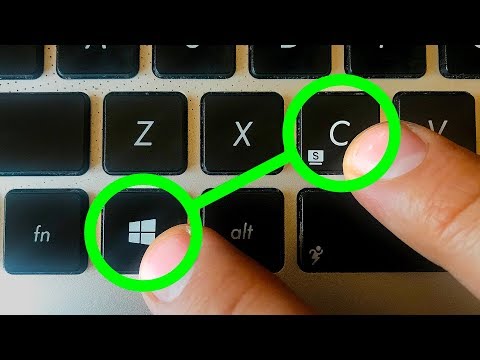
In Microsoft, start this function from Virtual Desktop by opening the task view with the button in the task bar, or the key combination Windows + Tab . This feature allows users to create different "virtual desktops" to run different sets of applications on separate desktops to keep things organized and not confusing. Even better, you can switch between virtual desktops without using the task view by simply pressing the Windows + Ctrl + Left, or Right arrow keys . If you're using a touchscreen device or a precision touchpad, you can switch between desktops with four fingers. You can also use the keyboard to switch between virtual desktops. Just press the Windows + Tab to bring up the To Do view, and then release the buttons.

Press the Tab key again to move the selection to the desktop line. You can then use the arrow keys to move between the desktops and then press Enter to jump to the selected desktop. Use Task View to show all windows on the same screen. The Task View icon looks like two overlapping squares—one white and one gray—and you'll find it on the taskbar at the bottom of the screen. This displays all windows on a single screen and is the simplest way to see all open windows. You can snap an open window by clicking on its title bar and dragging it to the left or right of your screen.
An outline appears, showing how the window will snap in place. You can also do this via your keyboard by pressing the Win + left arrow key or the Win + right arrow key. You can also complete tasks like controlling windows, virtual desktops, taking screenshots, locking the computer, and a lot more. Once you've placed the first window in a quarter of your screen, the miniature view disappears. Instead, use the keyboard shortcuts again to further split the screen. Now, the miniature view of all programs will be visible.

Click the Tab key again to switch to the next window. Continue until you've selected your program of choice. To arrange it in a quarter of your screen, follow the instructions in step 1.

To add a virtual desktop, open up the new Task View pane by clicking the Task View button on the taskbar, or by pressing the Windows Key + Tab. In the Task View pane, click New desktop to add a virtual desktop. If you have two or more desktops already open, the "Add a desktop" button will appear as a gray tile with a plus symbol. You can also quickly add a desktop without entering the Task View pane by using the keyboard shortcut Windows Key + Ctrl + D. Ctrl +Alt +Tab – View all your open apps so you can choose one with the keyboard arrows. This is similar to Task View, but doesn't display your virtual desktops and is only visible in your current active monitor.

To switch between virtual desktops, open the Task View pane and click on the desktop you want to switch to. You can also quickly switch desktops without going into the Task View pane by using the keyboard shortcuts Windows Key + Ctrl + Left Arrow and Windows Key + Ctrl + Right Arrow. The Task View pane in Windows 10 allows you to add an unlimited number of virtual desktops quickly and easily.

You can manage the view of your virtual desktop, and move applications to different desktops, show windows on all desktops or close pages on a selected desktop. If you've created virtual desktops on which you're running different apps, click each virtual desktop in the bar at the top of Task View to view the open windows on that desktop. The Task View icon is on your taskbar by default, and it looks like three rectangular windows with a slider on the right side. You can also open Task View by pressing Windows key + Tab.

You can also press the same arrow repeatedly to move windows to different monitors . If you have a shared computer in your house, it's a good idea to create a user account for each person. Each person can keep your files, apps, desktop, and settings the way they want with individual user accounts.
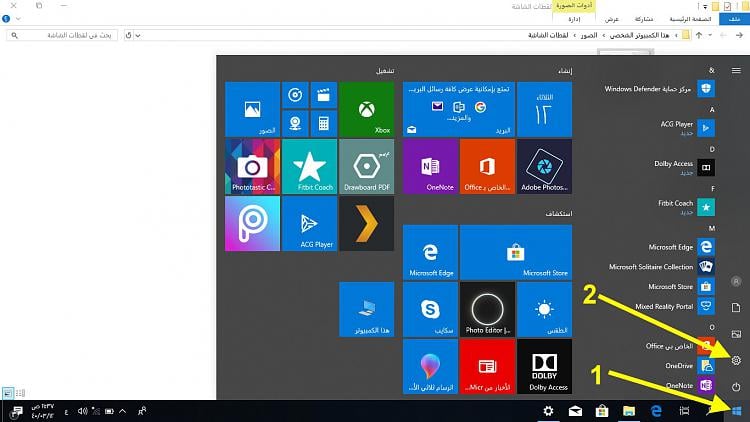
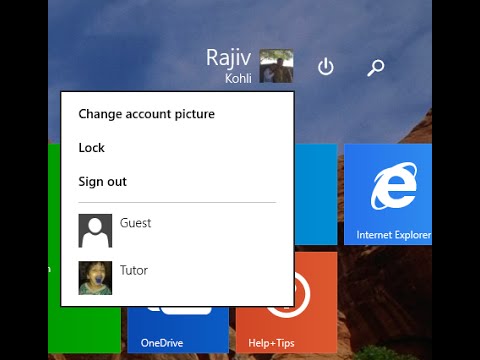
And there might be times when you need to stay signed in while another person checks something in their account. Windows 10 has a Fast User Switching feature built-in, making it easy to change user accounts without having to close out of your apps and log out. To run a program with an icon on the desktop, you can move to the desktop by pressing the Tab key on your keyboard. Pressing Tab while on the desktop switches between the desktop, Start, and each item on the taskbar. You can determine what area you're currently at by looking for an item that is selected.
A selected item is highlighted or has a border of dots. Using virtual desktops like this to multi-task is an advanced Windows 10 trick, but it's worth working gup to as you become better at working with your keyboard shortcuts. Alt-Tab Terminator is an alternative to the de facto task switcher. It enables switching between apps and brings more features than the task switcher of Windows 10.
It shows window previews with task management capabilities to control the running applications, making it a perfect alternative. One of the most frequently done action while working on the computer is switching between apps or tasks. There are numerous options to switch tasks in Windows 10. Moreover, the task-switching process becomes complicated when you have multiple monitors or virtual desktops. Combine these shortcuts to snap a window into a corner.

For example, pressing Windows+Left and then Windows+Up would snap a window into the top-left quadrant of the screen. The first two keyboard shortcuts aren't new, but the way they work with the 2×2 snapping feature is. When you're working on your Mac, the simplest shortcuts can help you do things faster and easier. Whether it's gestures or keyboard shortcuts, there are plenty of ways to navigate your Mac and your apps.

How To Swap Between Windows On Windows 10 So, for more to add to your list of shortcuts, here's how to quickly switch between windows and apps on Mac. Windows is packed with useful keyboard shortcuts that make it faster to navigate your system. The most used one is pressing the Alt and Tab keys at the same time, allowing you to see an overview of your open windows and switch between them at lightning speed. I'm on Mavericks and I was looking for a keyboard shortcut to quickly switch between tabs in Chrome.
Cmd +` didn't work for me, although I made sure it was correctly setup in System Preferences → Keyboard → Keyboard Shortcuts. So for me it's Cmd + Tab to switch between applications, and Ctrl + Tab to switch between the same application's windows, try this if other suggested solutions don't work. Task Manager displays all apps and background processes that are running on your PC. Click More details to view more information, including a list of processes running in the background.
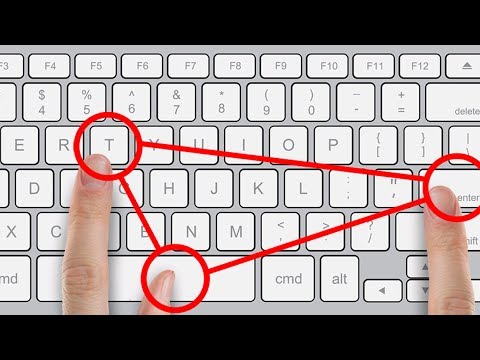
When you're working with multiple apps on your computer, it's easy to lose track of which windows you have open. Fortunately, Windows 11, Windows 10, and macOS all have easy keyboard shortcuts and utilities that make multitasking a breeze. This wikiHow article will teach you how to quickly show all of your open windows and apps on your PC or Mac. A lesser known, but similar shortcut key is Windows + Tab. Using this shortcut key will display all of your open applications in a larger view.
From this view, use your arrow keys to select the appropriate application. Once you've highlighted the correct window, you can open it by pressing Enter or close it by pressing Delete. Windows offers many keyboard shortcuts that enable you to quickly execute actions. To split your screen, Windows provides several shortcuts. These let you select a section of your screen or a quarter for the active window.
This displays all your open apps as tiles so you can choose one to focus on. Most users are familiar with using their computer with a keyboard and mouse. After all, this is the most intuitive method for most people. The mouse makes it easy to know what you're pointing at, selecting, and clicking, so even first-timers don't take too long to get the hang of it. But for proficient users, the keyboard can be a much more powerful tool, and it allows you to get things done faster. That's why there are a ton of keyboard shortcuts in Windows 11 that help with exactly that, and we've compiled a list of them to help you out.
There are also some keyboard shortcuts for quickly managing virtual desktops. The Alt + F4 keyboard shortcut has been around about as long as Windows has, as a shortcut to close the window that's in focus. If your desktop has the focus, then pressing Alt + F4 will bring up the Shut Down Windows dialog.

If the focus is not in your desktop, press the Windows key + D to hide all programs or click your desktop background. Hover your cursor over the taskbar icons for a quick glance. When you open an app on Windows 11, its icon stays visible on the taskbar.
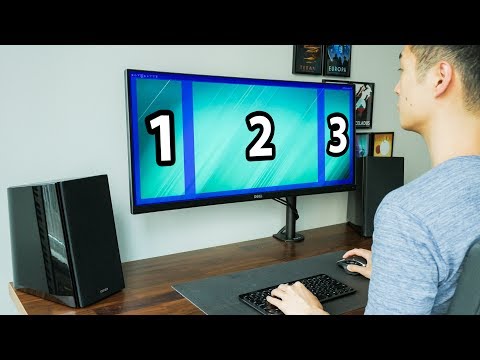
Apps that have open windows have white underlines on the taskbar. Hover your mouse cursor over any of the icons with a white underline to see thumbnails of its open window. You can then click one of the thumbnails to bring that window into view.Hovering your cursor over the Task View icon to see all open desktops.

You can then click one of the open desktops to switch to that desktop. If you're using virtual desktops to run different sets of apps, you'll see each desktop at the bottom of Task View. Click a desktop to view the windows open on that desktop. Release the Tab key while continuing to hold down Alt to display all open windows. When you get to the one you want to bring into view, release both keys.

To switch between multiple desktops, pull up the task view again and click on the desktop you want to use. You can also end a virtual desktop session by clicking the cross on top of a specific virtual desktop in the task view mode. Text in foreign languages sometimes requires special characters. The letters assigned to the different keys also differ between some languages. Therefore, many users who wish to write in a foreign language find it more convenient to change the keyboard language.
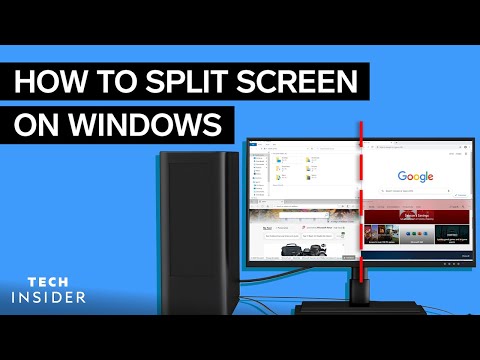
Windows 10 keyboard shortcuts enable you to switch quickly between languages. We will show you how to change the keyboard language in... Copying and pasting commands into a command prompt used to be a hassle. But with Windows 10, you can use the standard Ctrl + C and Ctrl + V shortcuts to copy and paste text back and forth. To open a command prompt, type Command Prompt into the search box on the bottom left of the screen.

Here's a set of keyboard shortcuts you can now use with it. Windows key +Alt + Down arrow– Snap the active window to the bottom half of the screen. If the active window is currently taking up the entire screen, it will be made into a smaller size first, then you can press the keys again to snap it. This will prompt to choose an app for the top half if there isn't one yet. If you have multiple apps open, keyboard shortcuts can be a much more effective way of managing them, whether it's switching from one to the other or snapping them side-by-side.
Here are a few ways you can manage your open apps with your keyboard. Another way you can switch accounts is using the old-school keyboard shortcut of Alt + F4. If you've been a Windows user for many generations, you know that keyboard shortcuts can be used for Windows 10 Shutdown. In fact, it was a handy keyboard shortcut for Windows 8 when it was first launched.

Suppose you remember that fiasco when the desktop didn't have a Start Menu. Hitting Alt+F4 gives you access to power options as well as to Switch users. Press the Win+Ctrl keys plus the left and right arrow keys to switch between screens. At the top of the screen, you will see all your current virtual desktops. Hover your cursor over a desktop to see the programs and tabs currently open in that window.
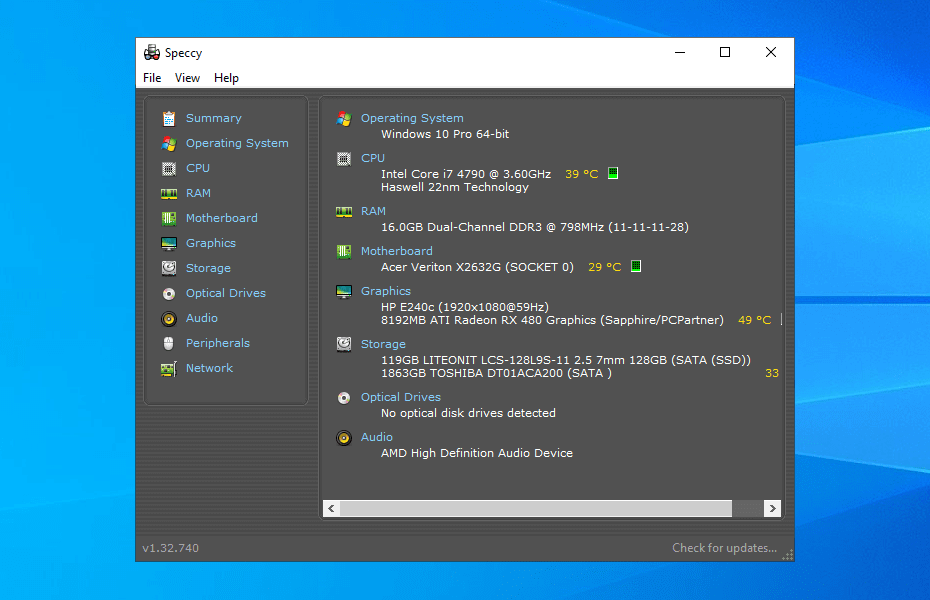
You can use the shortcuts with your keyboard directly in order to switch between virtual desktops. Keys to move an application between virtual desktops without opening the Task View. The first shortcut moves the app to the left virtual desktop and the second to the right desktop. This way you can confine to a few apps on one desktop. Using multiple virtual desktops can be very helpful, and is easy to set up and use in Windows 10. If you keep a lot of applications open at one time, this can be a convenient way to keep organized.
On Unix and Unix-like operating systems, the key is usually given the X keysym "Super" (on earlier versions "Meta" was often used), and turns on the shift bit called MOD4. + Number # opens the desktop and start the app pinned to the taskbar in the position indicated by the number. Keep pressing the "key combination" would switch between within selected app group. Brave works a lot like Google Chrome in terms of keyboard shortcuts for tab switching. To switch to the next tab on a Mac, press Command + Option + Right Arrow. If you're on a Windows machine, press Control + Tab or Control + PgDn.

Many keyboards have a Windows key which will bring up the start menu. The keyboard combination Ctrl+Esc also brings up this menu. The up and down arrow keys allow you to move through the menu items.

Those items with a submenu are visually indicated with a small black triangle/arrowhead. These submenus may also branch out further into other submenus. The Esc key allows you to go back one step in the navigation process. Once you have arrived at the desired item, pressing the Enter key acts in the same way as a left-mouse click to make a choice. Once you've set up the first window in one half of your screen, a miniature view of all open windows will launch.

No comments:
Post a Comment
Note: Only a member of this blog may post a comment.